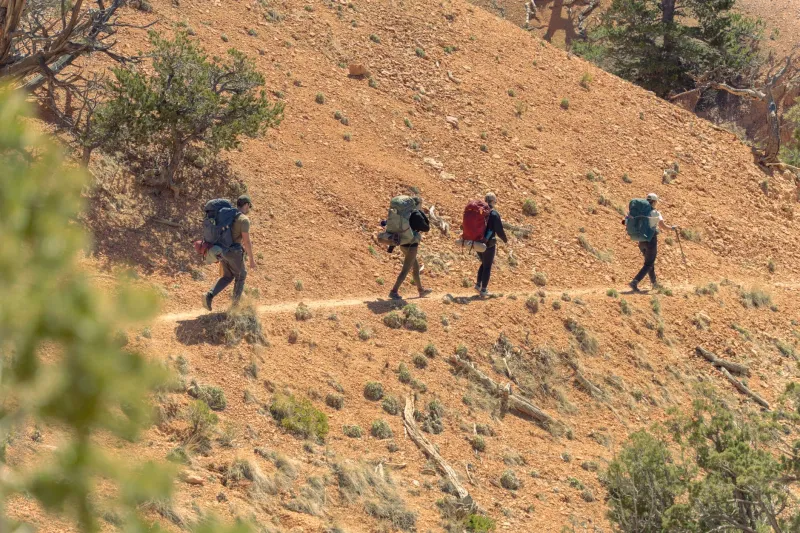
Cold Canyon Magic: The Case for Hiking Grand Staircase-Escalante in Winter
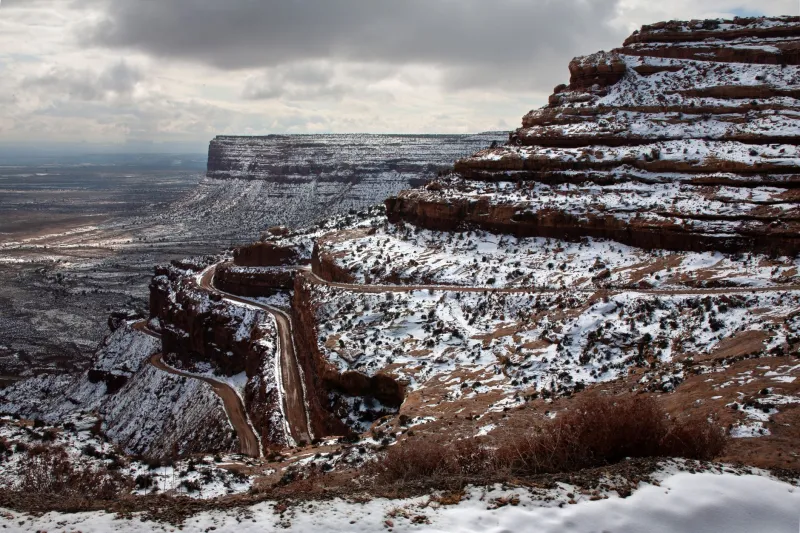
Everyone knows about spring wildflowers and fall color in Escalante. The shoulder seasons get all the press, all the Instagram posts, all the permit competition. But there's a quieter, colder, arguably more beautiful window that most visitors completely ignore: December through February.
Winter in Grand Staircase-Escalante is not for the timid or the underprepared. But for hikers willing to layer up, do their homework, and embrace a different kind of desert, it offers something genuinely rare—a landscape that feels entirely yours.
Why Winter Works Here
The Colorado Plateau's high desert climate means winter days in Escalante are often clear and surprisingly mild by midday. Temperatures in January can swing from the low 20s overnight to the mid-40s or even low 50s under a full sun. That's cold by beach vacation standards, but it's perfectly workable for a hiker moving through canyon country.
More importantly, the light is extraordinary. Winter sun sits low on the horizon all day, which means the warm, angled illumination that photographers chase for an hour at sunrise and sunset in summer is available for most of the afternoon in January. Red rock walls glow. Shadows carve canyon geometry into sharp relief. The visual quality of the landscape in winter is, for many people who've experienced it, simply better.
And then there are the crowds—or rather, the lack of them. Trailheads that require early-morning sprints to beat the parking lot rush in April sit essentially empty in December. You can hike Coyote Gulch on a Tuesday in January and not see another person all day. For a monument that's increasingly feeling the pressure of popularity, that kind of solitude is worth a lot.
Frozen Slot Canyons and Ice-Draped Walls
The slot canyons of Grand Staircase-Escalante take on a completely different character in winter. Seeps and springs that trickle down sandstone walls through the warmer months freeze into dramatic ice formations—curtains of translucent blue-white ice clinging to the canyon walls, small waterfalls locked mid-cascade, frost crystals growing on the shaded sand floors of narrow corridors.
Routes like Peek-a-Boo and Spooky Gulch, which can feel almost theme-park-busy during spring break, become genuinely atmospheric in winter. The ice adds a technical element—you'll want microspikes or traction devices for shaded sections that don't see enough sun to melt—but it also adds a layer of visual drama that no other season delivers.
Dry Fork of Coyote Gulch is another winter standout. The narrows stay shaded for much of the day, which means ice features persist longer into the afternoon than in more exposed canyons. Just be aware that shaded sections can be genuinely slippery, and the sand underfoot can be frozen solid and unforgiving on a fall.
What to Wear and Carry
Winter desert hiking has a gear profile that's distinct from both summer canyon country and mountain winter travel. The dry air means moisture management is still critical—you'll sweat on the uphills and chill fast on the stops. Layering is non-negotiable.
Start with a moisture-wicking base layer, add an insulating mid-layer (fleece or a light synthetic puffy), and top it with a wind-resistant shell. Bring more insulation than you think you need—a belay-style parka stuffed in your pack costs nothing on the trail and saves you if weather rolls in or you're moving slower than expected.
For feet, waterproof hiking boots are worth the investment in winter. Snow and ice-melt water in canyon bottoms are common, and wet feet in 30-degree air are a fast track to a miserable afternoon. Wool or synthetic socks—never cotton—are essential.
Traction devices deserve a dedicated mention. A set of microspikes (Kahtoola makes a reliable option widely available at outdoor retailers) can be the difference between a confident, enjoyable hike and a white-knuckle slog through icy narrows. Bring them even if the forecast looks clear. Shaded canyon floors hold ice long after sunny benches have dried out.
Daylight is your other limiting factor. December days in southern Utah give you roughly nine to ten hours of usable light. Plan your routes accordingly, build in turnaround times that get you back to the trailhead well before dark, and carry a headlamp regardless.
Routes That Reward in Cold Weather
Not every trail in the monument is equally suited to winter conditions. High-elevation routes on the Aquarius Plateau or in the Kaiparowits can accumulate significant snow and become genuinely hazardous without proper mountaineering skills. The canyon-bottom routes, by contrast, tend to be more manageable and often more visually dramatic in winter.
Coyote Gulch remains one of the best winter objectives in the monument. The lower sections stay accessible in most years, the canyon walls provide wind protection, and the combination of frozen seeps, winter light, and empty trails makes for an exceptional experience. Aim for a 2-3 day backpack if conditions allow.
Lower Calf Creek Falls is a solid winter day hike—the falls themselves often have ice formations around their edges, the cottonwoods along the creek are stripped bare and architectural, and the usual weekend crowd is nowhere to be seen.
For something more adventurous, the Escalante River canyon between the town of Escalante and Calf Creek offers miles of quiet winter travel through stunning canyon scenery with minimal technical challenge.
The Mental Shift That Makes It Work
Winter hiking in Escalante asks you to adjust your expectations slightly. You're not chasing wildflowers or swimming holes. You're after something quieter—the crunch of frost underfoot, the way ice-blue light fills a narrow canyon at noon, the absolute stillness of a desert morning with no other humans in earshot.
If you can embrace that shift, winter becomes not a consolation prize but a genuine first choice. The canyon country doesn't go dormant in December. It just gets a lot less crowded.