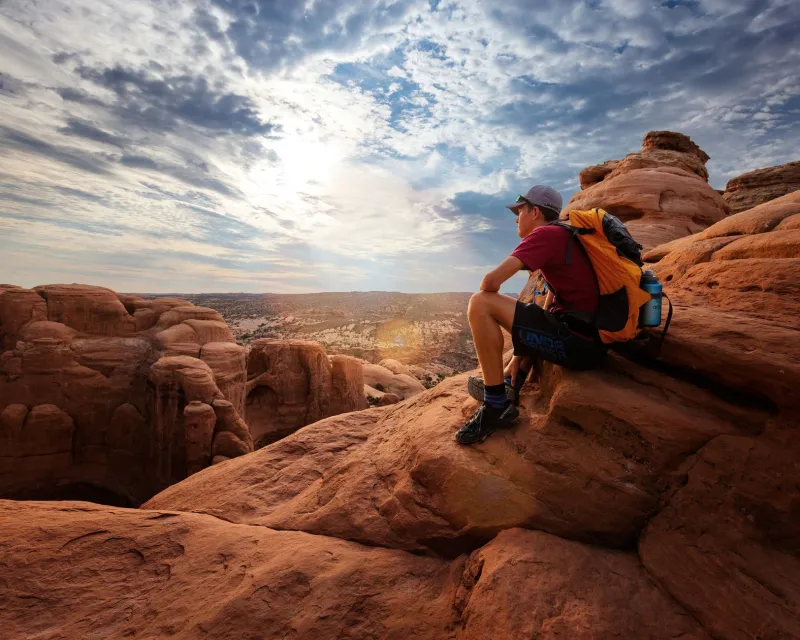
Tight Budget, Big Canyon: Spending Less Without Missing a Thing in Grand Staircase-Escalante
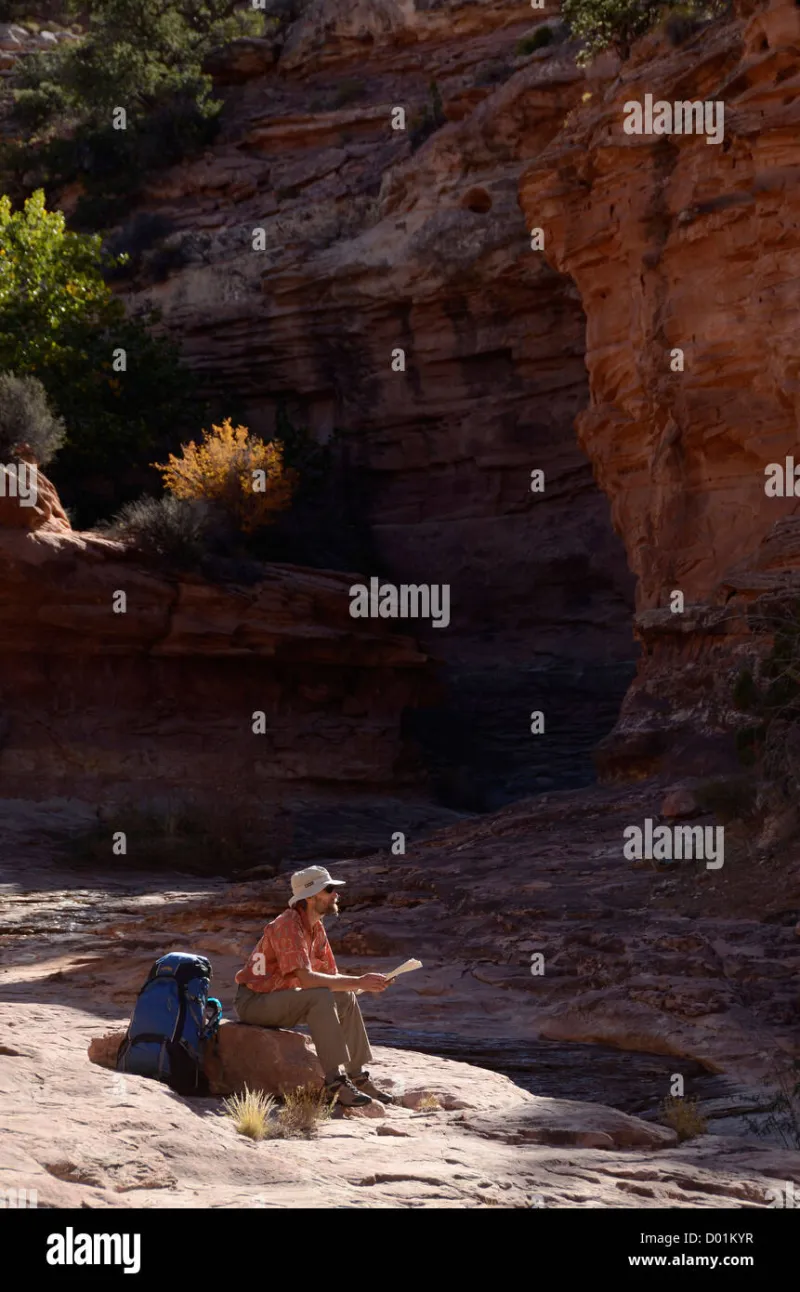
Photo: budget backpacker camping desert canyon Utah public land, via c8.alamy.com
Let's be honest about something: a lot of outdoor travel content is quietly aimed at people who can afford gear that costs more than a car payment and guided tours that run several hundred dollars a day. That's fine for some folks, but it leaves a huge chunk of would-be canyon country visitors with the impression that experiencing a place like Grand Staircase-Escalante is financially out of reach.
It isn't. Not even close.
The monument covers nearly 1.9 million acres of public land managed by the Bureau of Land Management. There are no entrance fees. The overwhelming majority of trails require no permits. Dispersed camping — meaning you pitch your tent on public land away from developed sites, for free — is not only allowed but actively encouraged across most of the monument. With some planning and a willingness to be a little flexible, a week in Escalante canyon country can cost dramatically less than a weekend at a resort destination.
Here's how to make it work.
Start With the Free Camping Reality
This is the single biggest money lever available to Escalante visitors. Developed campgrounds with amenities — hookups, flush toilets, designated sites — cost money and fill up fast in peak season. But dispersed camping on BLM land is free, and in Grand Staircase-Escalante, it's genuinely good.
You can camp within the monument essentially anywhere that's at least 200 feet from water sources, trails, and cultural sites, and where you're not on private land or in a specifically closed area. That opens up an enormous amount of terrain. Canyon rims, sandy washes, slickrock benches above drainages — the camping options are as varied as the landscape itself.
For car campers or those with high-clearance vehicles, Hole-in-the-Rock Road offers dozens of informal pullouts where people camp regularly. Cottonwood Canyon Road and Smoky Mountain Road are similar. These are dirt roads that require some caution, particularly after rain, but they put you right in the middle of the monument without spending a dime on a campsite.
If you prefer something with at least a pit toilet, the BLM's Deer Creek Campground near the town of Escalante has basic sites at a low fee — currently among the most affordable developed camping in the region. It fills up on spring and fall weekends, so arrive by early afternoon or plan to be flexible.
Permit-Free Day Hiking: Where to Go
Most of Escalante's best day hikes require zero permits and zero fees. Lower Calf Creek Falls — one of the most popular trails in the monument — is the main exception, requiring a day-use fee per vehicle at the trailhead. It's worth paying, but it's good to know it's not representative of the whole monument.
For genuinely free hiking, the options are extensive. The Escalante Natural Bridge trail starts from a highway pullout and follows the river to a stunning sandstone arch with no fee and no permit requirement. The Devil's Garden off Hole-in-the-Rock Road is free and delivers a surreal landscape of balanced rocks and fins that most visitors drive right past. The slot canyon loop at Peek-a-Boo and Spooky Gulch is permit-free and among the most photographed terrain in the entire monument.
Coyote Gulch, one of the monument's signature backpacking routes, is free for day hiking portions and has no permit requirement for overnight use either — though that could change as the area gets more attention, so verify current requirements before your trip at the Escalante Interagency Visitor Center.
Gear on a Budget: Rent, Borrow, and Prioritize
You don't need a full kit of premium backcountry gear to hike Escalante, but you do need a few things: sturdy footwear with ankle support, sun protection, a reliable water filtration method, and navigation tools (either a downloaded offline map or a paper topo). The rest is negotiable depending on how long and how remote your trips will be.
If you're missing key items, the outdoor gear rental market has grown significantly. Gear-sharing platforms like Outdoors Geek and local outfitters in the region can rent tents, sleeping bags, and packs at daily rates that make a week of camping dramatically cheaper than buying everything new. Check what's available in Salt Lake City or St. George if you're flying in — both are reasonable staging points for an Escalante trip.
For clothing and basics, thrift stores in Salt Lake City, Provo, and St. George often stock outdoor gear at a fraction of retail. It's worth a stop before heading south if you're on a tight budget.
Timing Your Visit to Avoid Peak Season Pricing
Spring and fall are peak seasons in Escalante, which means higher demand for the limited supply of lodging, guided tours, and services in the small towns nearby. If your schedule allows flexibility, late September through mid-October and mid-March through early April tend to offer slightly lower prices on the limited accommodation options in Escalante and Boulder, while still delivering excellent hiking conditions.
Weekday visits reduce competition for dispersed camping spots and popular trailhead pullouts. The difference between a Friday night arrival and a Monday morning start can be significant, particularly on the Hole-in-the-Rock Road corridor.
Avoiding the long holiday weekends — Memorial Day, Labor Day, and the week around Thanksgiving — is straightforward advice that applies anywhere, but it's particularly relevant in a landscape where the solitude is part of the point.
Food and Logistics on the Cheap
The towns of Escalante and Boulder are small, and dining options are limited. What's there is good, but restaurant meals add up fast. For budget travelers, resupplying at the Escalante Outfitter's small store or driving the 45 minutes to the larger grocery options in Panguitch makes more sense for longer trips. Stock up before you arrive.
Bulk backpacking food — oats, instant rice and beans, dried fruit, nut butter — is dramatically cheaper per calorie than pre-packaged backpacking meals. A week of backcountry food built around pantry staples costs a fraction of what freeze-dried meal pouches run, and the cooking isn't complicated when you're camping anyway.
Gas is a real cost consideration in this part of Utah. The distances between towns are long, and some of the monument's access roads will burn through fuel faster than highway driving. Factor that into your planning and fill up in Panguitch or Escalante before heading onto dirt roads.
The Real Payoff
Here's the thing about budget travel in Grand Staircase-Escalante: the experiences that cost nothing are genuinely the best ones. The view from a canyon rim at sunset. A swim in a clear pothole after a long day. The silence of a backcountry camp when the wind drops and the stars come out. None of that has a price tag.
The monument was set aside as public land because landscapes like this belong to everyone. Experiencing it without a big budget isn't a compromise — it's actually kind of the whole point.