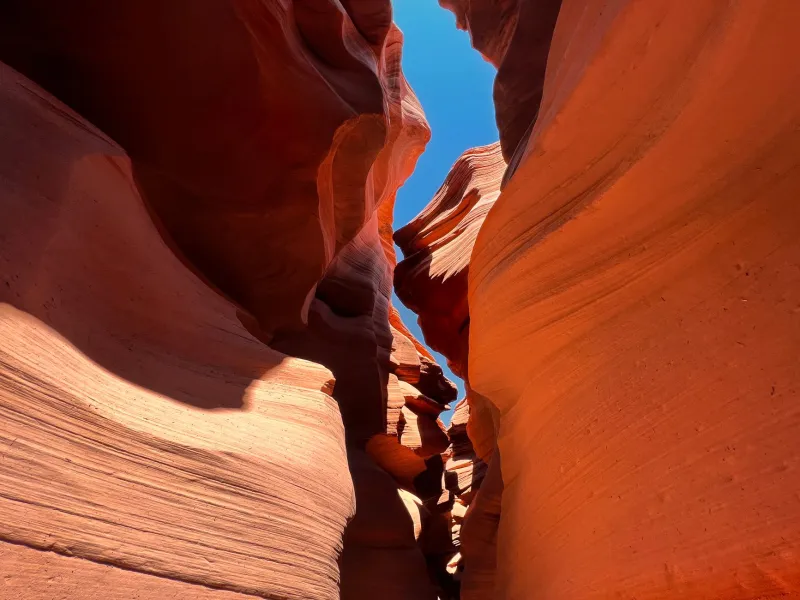
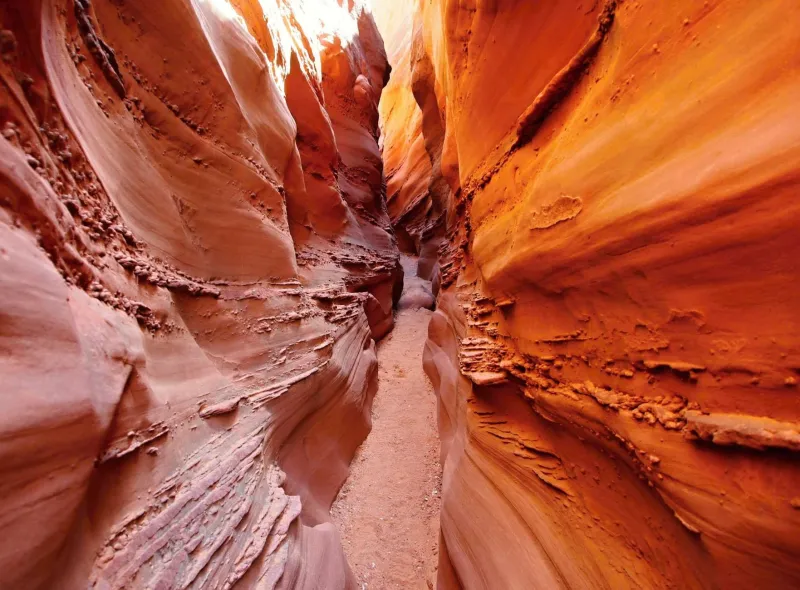
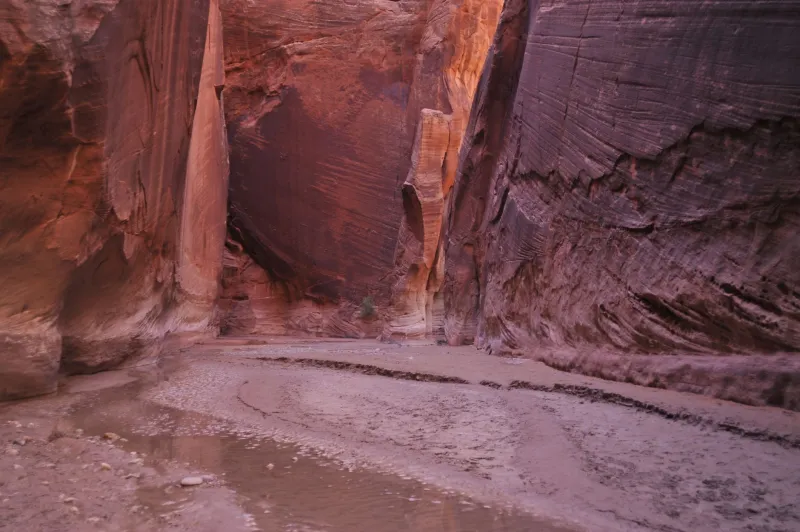
Sleep Beneath a Billion Stars: Finding Your Perfect Campsite in Grand Staircase-Escalante
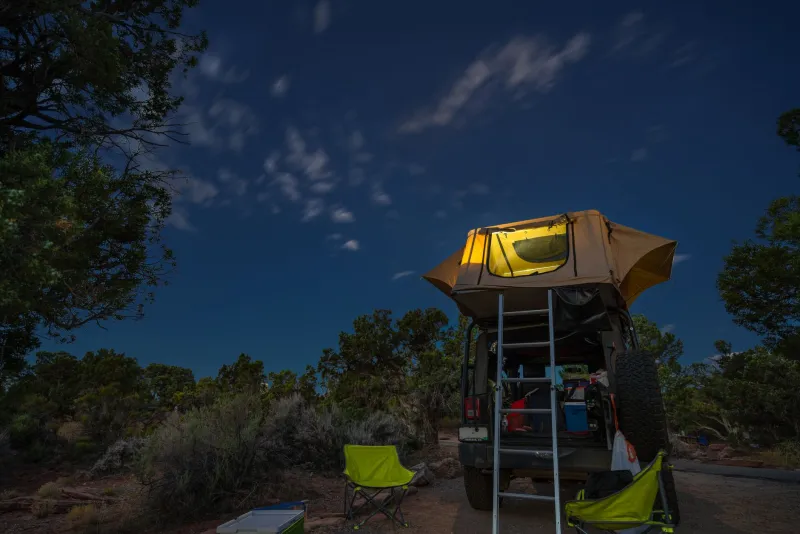
There's a particular kind of silence you only find in places like this. No highway hum. No ambient glow on the horizon. Just sandstone walls glowing orange in the last light of day and, an hour later, a sky so thick with stars it almost feels fake. That's the promise of camping in Grand Staircase-Escalante — and it delivers, hard, if you know where to go.
The monument covers nearly 1.9 million acres of canyon country in southern Utah, which means your options range from a five-minute drive off Highway 12 to a three-day bushwhack into terrain that hasn't changed since the Anasazi called it home. Whether you're a first-timer with a cooler full of cold cuts or a seasoned backcountry traveler who sleeps on a foam pad, there's a campsite here with your name on it.
Let's break it down.
Drive-In Campgrounds: The Easy Win
If you're rolling in with a family, a trailer, or just a healthy respect for your own comfort level, a few established campgrounds make excellent base camps without requiring any serious backcountry commitment.
Deer Creek Campground sits along the Burr Trail Road, about 26 miles east of Boulder, and it's a gem. The sites are primitive — pit toilets, no water hookups — but the setting along a cottonwood-lined creek corridor is genuinely lovely. It's a popular launching point for hikes into the Gulch and into the Escalante River drainage. Sites fill up fast on spring and fall weekends, so aim to arrive by early afternoon if you're not reserving ahead.
Calf Creek Recreation Area, managed by the BLM and sitting right off Highway 12, is the most accessible option in the region and the right call for families with young kids. It has 13 sites, flush toilets, and running water — luxuries you won't find everywhere out here. The real draw is walking distance to Lower Calf Creek Falls, one of the most photogenic hikes in the state. Expect company; this one's popular for a reason.
For those driving in from Kanab, Whitehouse Campground near the Paria River is worth knowing about. It's a no-frills spot — vault toilets, no water — but it puts you right at the doorstep of the Paria Canyon-Vermilion Cliffs Wilderness and some serious stargazing sky. The Milky Way here on a moonless night is the kind of thing people describe in hushed tones years later.
The Escalante River Corridor: Backcountry Gold
If you're willing to hike in, the Escalante River corridor opens up an entirely different level of experience. This is where the monument earns its reputation.
The river winds through a narrow canyon system for roughly 80 miles, and camping along it is dispersed and largely permit-free — though you'll want to check current BLM guidelines before you go, as regulations do shift seasonally. The trade-off for that freedom is self-sufficiency. Water is available from the river and side springs, but it needs to be filtered. Navigation can be tricky since you'll be route-finding more than trail-following. And flash floods, while not constant, are a real consideration. Always check the weather upstream.
The Escalante River Trailhead (accessible from the Highway 12 bridge just east of town) is the most common entry point. From here, you can push as far as your legs and your food supply allow. Even two or three miles in, you'll find canyon alcoves and sandy benches that make for spectacular campsites. The further you go, the fewer people you'll encounter.
Death Hollow — yes, the name is dramatic, but stick with it — is a tributary canyon accessed via the Boulder Mail Trail and one of the more spectacular backcountry destinations in the monument. Camping in the hollow itself puts you among sculpted red rock walls, deep pools, and a sense of total wilderness that's hard to overstate. It requires a full-day hike to reach and some route-finding confidence, but the payoff is enormous.
Fortymile Ridge offers a different kind of backcountry camp — up high rather than down in the canyon. The views from up here stretch across the Straight Cliffs and down into the Escalante drainage, and on clear nights, the elevation and lack of light pollution combine to make the stargazing genuinely exceptional. Access is via Hole-in-the-Rock Road, which is passable by most high-clearance vehicles in dry conditions but can become impassable after rain. Check conditions before you commit.
Stargazing: Where to Point Your Face
Let's be honest — one of the biggest reasons people camp out here is the night sky. Grand Staircase-Escalante sits in one of the darkest regions in the continental US, and on a clear, moonless night, the view overhead is almost disorienting in the best way.
For the absolute best stargazing, aim for sites away from the highway and away from the town of Escalante itself. The Hole-in-the-Rock Road corridor and the Paria area both rank among the darkest. Bring a red-light headlamp (white light kills your night vision), give yourself 20 to 30 minutes for your eyes to adjust, and just wait. The sky will come to you.
Practical Notes You Actually Need
A few things to sort out before you pack the car:
Water: Most backcountry sites have no potable water. Bring more than you think you need, and carry a reliable filter. The Escalante River and its tributaries are your primary source in the canyon — just treat everything.
Permits: Dispersed camping in the monument is generally permit-free, but some areas (including the Paria Canyon corridor) do require permits, especially in peak season. Check with the BLM's Kanab or Escalante Interagency Visitor Center before heading out.
Seasons: Spring (late March through May) and fall (September through October) are the sweet spots. Summer brings brutal heat and afternoon thunderstorms that can make canyon travel genuinely dangerous. Winter is possible but cold, and road conditions on unpaved routes can deteriorate quickly.
Leave No Trace: This one's non-negotiable. The monument sees real pressure from visitors, and dispersed camping only stays available if people treat it right. Pack out everything. Camp on durable surfaces. Keep campfires small and legal — fire restrictions are common in dry months.
Choosing Your Setup
The best campsite in Grand Staircase-Escalante is the one that matches where you actually are in your outdoor experience. If this is your first time camping in the desert Southwest, start with Calf Creek or Deer Creek — get a feel for the environment before you push into the backcountry. If you've done this before and want to earn your solitude, the Escalante River corridor will reward every mile you put in.
Either way, you're going to wake up in one of the most beautiful places on the planet. That part's basically guaranteed.