Little Legs, Big Canyons: An Honest Family Guide to Hiking Escalante with Kids
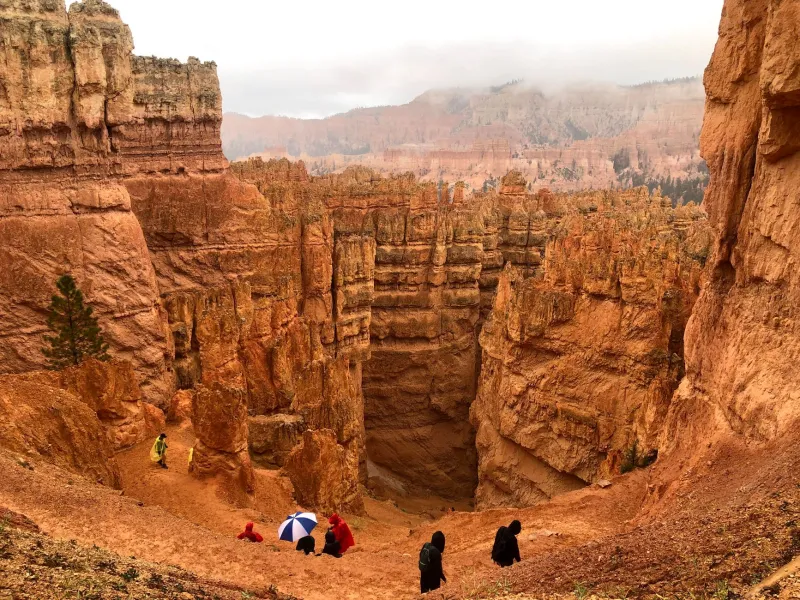
Let's get one thing out of the way: Grand Staircase-Escalante is not a theme park. There are no guardrails on most trails, water sources are unreliable, temperatures swing hard, and the terrain demands real physical effort. It's also one of the most genuinely awe-inspiring landscapes in the entire country, and kids — given the right experience — respond to it in ways that stick with them for years.
The key word is right experience. Dragging a six-year-old on a 10-mile canyon route in July is a recipe for misery all around. But putting that same kid in a slot canyon where the walls squeeze close and the light turns everything gold? That's a memory that outlasts any theme park ride. Here's how to find the difference.
Calibrating Expectations: The Honest Part
Before we get into specific trails, a few truths worth accepting before you load up the minivan:
Distance estimates don't translate with kids. A trail that takes you two hours will take twice as long with young children — and that's fine, but you need to plan for it. Don't book a campsite 8 miles in and assume a 7-year-old will keep pace.
Heat is not optional. The canyon country sun is relentless. Even in May or September, midday temperatures in exposed canyon corridors can reach levels that are genuinely dangerous for small bodies. Early starts are non-negotiable.
Whining is data. When kids start complaining, it usually means something real: they're thirsty, they're tired, they need food, or they're scared. Treat it as information rather than obstruction and you'll manage trail meltdowns much more effectively.
The destination doesn't always matter. Some of the best family moments in canyon country happen 1.5 miles in, at a pothole full of tadpoles, not at the famous arch another two miles away. Let kids set the pace and you'll often discover that the journey is the whole point.
Trails That Actually Work for Families
For Younger Kids (Ages 4–7): Lower Calf Creek Falls
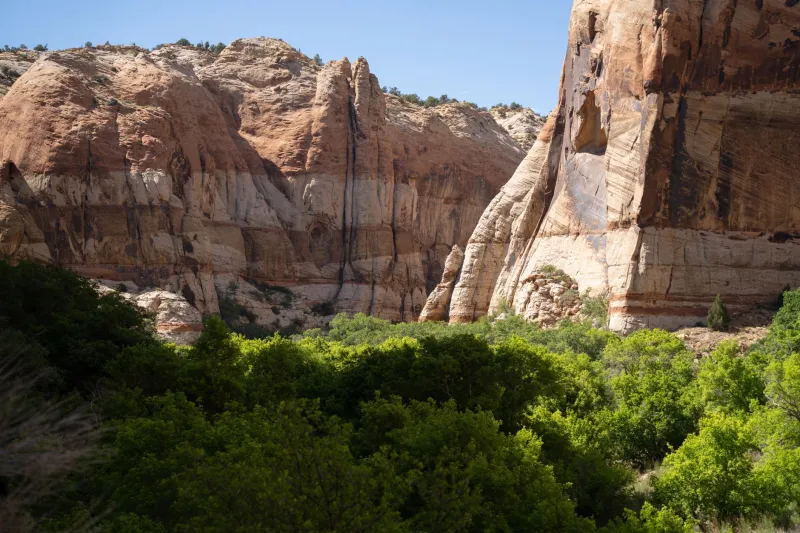
The 5.5-mile round trip to Lower Calf Creek Falls is one of the few maintained trails in the monument, and it earns its popularity with families for good reason. The path follows a creek corridor shaded by cottonwood and box elder trees, passing ancient Fremont granaries and Native American rock art panels along the way. The payoff — a 126-foot waterfall dropping into a turquoise pool — is dramatic enough to impress even kids who've been complaining for the last half mile.
The trail is mostly flat with some sandy stretches that slow small legs down. Budget 3–4 hours round trip with younger children, bring more snacks than you think you need, and start early to avoid both crowds and heat.
For Kids Who Can Handle More (Ages 8–11): Peek-a-Boo and Spooky Slot Canyons
These two slot canyons, accessed via the Dry Fork of Coyote Gulch, are legitimately fun for kids in this age range — and the fun is the point. Peek-a-Boo involves a scramble up a log ladder and some tight squeezes that kids often navigate better than adults. Spooky is narrower still, requiring hikers to turn sideways in places.
The honest caveat: the 1.5-mile hike from the Dry Fork trailhead to the slot canyon entrances is across deep, soft sand that exhausts legs of any age. And these canyons are flash flood terrain — check the weather forecast for the entire watershed, not just the trailhead, before you go. If there's any chance of rain within 50 miles, skip it.
For Teens and Capable Tweens: Devil's Garden
Just off Hole-in-the-Rock Road, Devil's Garden is a collection of hoodoos, arches, and sculpted sandstone formations that rewards exploration without demanding serious mileage. There's no defined trail, which actually makes it more engaging for older kids who want to feel like they're discovering something rather than following a marked path. Scrambling is encouraged, the terrain is manageable, and the formations are genuinely weird and impressive.
The Unexpected Challenges Nobody Mentions in the Brochure
Sand. Escalante's sandy canyon floors are beautiful and absolutely exhausting to walk through. Small kids in particular burn out fast in deep sand. Gaiters can help, but nothing fully solves it.
No cell service. The monument has essentially no cell coverage. If you're used to navigating by phone, print paper maps before you leave and know how to use them. This also means no calling for help if something goes wrong — another reason to stay well within your group's actual ability level.
Bathroom logistics. Most trailheads have no facilities. Teach kids about Leave No Trace waste practices before the trip, bring a small trowel, and pack out all waste if you're in a heavily visited slot canyon area.
Sun exposure. Canyon walls provide shade, but open sections of trail offer none. Sun shirts, hats with brims, and SPF 50+ sunscreen applied early and often are the standard here, not optional extras.
Gear Worth Having for the Family Trip
- Hydration packs for kids: Kids drink more when they don't have to stop and ask for a water bottle. A small daypack with a hydration bladder is one of the better investments for canyon hiking with children.
- Trekking poles for adults: Freeing up your hands to assist kids on scrambles is harder when you're holding poles — but they're valuable on return trips when everyone's tired.
- A headlamp for every person: Even on day hikes. Canyon country turns dark fast and trail time estimates go out the window with kids.
- High-calorie snacks that survive heat: Chocolate melts. Gummy bears fuse into one mass. Trail mix, jerky, crackers, and nut butter packets hold up better.
Making It Memorable Without Making It a Slog
The families who have the best experiences in Escalante are usually the ones who planned conservatively and stayed curious. Pick one or two things to see each day instead of five. Let a kid lead the navigation for a stretch. Stop when you find something interesting, even if it's not on the itinerary. Buy a junior ranger booklet at the visitor center and let the kids earn their badge.
Grand Staircase-Escalante will ask something of everyone in your group — including the youngest members. But it gives back in proportion to what you bring to it. Show up with realistic expectations, genuine flexibility, and a willingness to let the canyon set the pace, and you'll go home with stories worth telling.