The Quiet Season Advantage: What Escalante Looks Like When the Crowds Stay Home
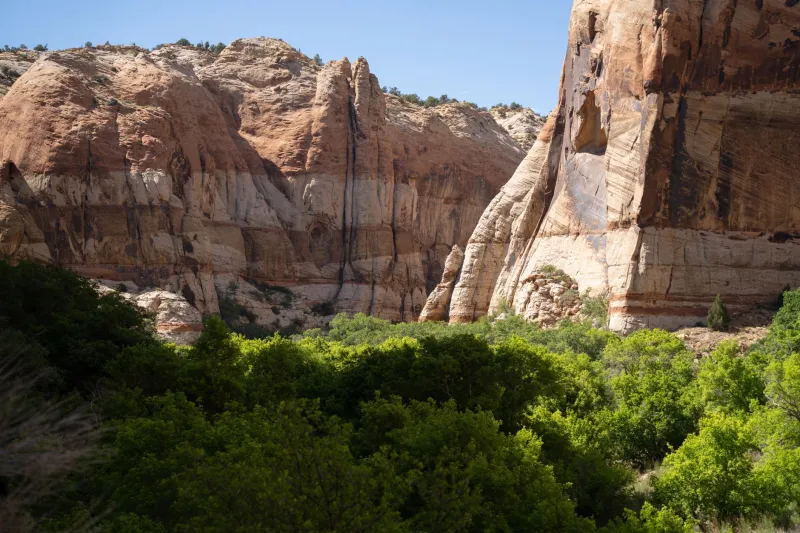
There's a version of Grand Staircase-Escalante that most visitors never see. Not because it's hidden behind a long permit process or a punishing off-trail scramble — but simply because most people show up in May, June, or October and call it done. The late fall lull, the brief early-winter window, and the sweltering stretch of late August all have something in common: the trailheads are nearly empty, the light does things you can't fully explain, and the park feels like it belongs to you in a way that's almost uncomfortable.
If you've been curious about visiting outside the traditional sweet spots, here's what you're actually signing up for — and why it might be the best hiking decision you make all year.
Late Summer (Mid-August to Mid-September): Heat, Storms, and Unexpected Rewards
August in Escalante has a reputation, and it's not entirely undeserved. Temperatures regularly push past 95°F in the lower canyon corridors, and afternoon monsoon storms roll in fast enough to turn a dry wash into a moving wall of water. Most guidebooks will tell you to wait until fall. We'd say: go early in the day, stay trail-smart, and don't underestimate what late summer actually offers.
The monsoon season, which typically runs through mid-September, transforms the desert in ways that no other season can replicate. Cryptobiotic soil springs back to life. Potholes fill with water, drawing in birds, insects, and amphibians that are invisible the rest of the year. The canyon walls darken with moisture, and the red and orange hues of the Navajo Sandstone look almost painted against a storm-lit sky.
Wildlife activity picks up noticeably during this period. Mule deer move more frequently near water sources. Raptors hunt the updrafts created by temperature differentials after afternoon rains. If you're a birder, late summer in Escalante is genuinely underrated — migrating species pass through in numbers that peak-season visitors simply don't encounter.
The practical trade-offs are real: you need to start hiking before 7 a.m., carry more water than you think you need, and keep a close eye on weather forecasts for flash flood risk. But for experienced hikers who can manage the logistics, late summer offers a sensory richness that the packed spring season rarely matches.
Late Fall (Mid-October to Late November): The Sweet Spot Nobody's Talking About
If there's a single undervalued window in Escalante's calendar, it's the stretch from mid-October through Thanksgiving. The summer crowds are gone. The permit pressure drops. Daytime temperatures settle into the 50s and 60s — ideal for covering serious mileage without the heat tax. And the light? The low angle of the autumn sun rakes across canyon walls at golden hour in a way that photographers spend months planning for.
Cottonwood trees along the Escalante River corridor turn a brilliant yellow in October, creating color contrast against the red rock that rivals anything you'd find in New England. Hikers who know this tend to time their river corridor trips around this window specifically.
One thing to plan for: days are shorter, which compresses your hiking window. If you're doing a multi-day backpacking trip, you'll want to account for the fact that darkness comes around 5:30 p.m. by November. Nights can drop below freezing, so your gear list needs to reflect three-season minimums at the very least. But for day hikers and car campers, late fall is arguably the most comfortable and photogenic time to visit without the competition for trailhead parking.
Early Winter (Late November to January): Solitude at Its Most Extreme
This is the deep end of the quiet season, and it's not for everyone. Some roads — particularly the Hole-in-the-Rock Road — can become impassable after snowfall, and the BLM office in Escalante town has reduced hours. But for visitors who are prepared and genuinely seeking solitude, early winter offers something that no other season can: the canyon country almost entirely to yourself.
Snow in the canyon is a rare and striking thing. When it comes, it settles into the crevices of Navajo Sandstone and clings to the rims of slot canyons in ways that feel almost surreal. The silence is different in winter — deeper, more complete. Wind drops. Wildlife quiets. The only sounds on trail are often your own footsteps and the occasional raven.
Shorter day trips work best in this season — stick to lower-elevation routes and check road conditions before you leave. The reward for the extra preparation is a version of Escalante that very few people have ever experienced.
How to Prepare for the Off-Season (Without Overcomplicating It)
Regardless of which quiet-season window you choose, a few principles apply across the board:
Check road conditions before you go. Escalante's dirt roads become impassable when wet, regardless of season. The BLM's Escalante Interagency Visitor Center (435-826-5499) is your best source for current conditions.
Gear up for temperature swings. Even in late summer, canyon temperatures can drop 30 degrees between afternoon and midnight. Layering is non-negotiable.
Water planning changes by season. Late summer potholes can be a supplement, but never a plan. In winter, water sources may be frozen or reduced. Always carry more than you think you'll need.
Tell someone where you're going. This matters any time of year, but it's especially important when search-and-rescue response times may be longer and other hikers aren't around to raise an alarm.
The quieter months in Grand Staircase-Escalante aren't a consolation prize for people who couldn't get time off in spring. They're a genuinely different experience — one that rewards flexibility, preparation, and a willingness to trade convenience for something harder to name. Come out here in November and you'll understand what we mean.