Cold Boots, Empty Trails: What Winter Hiking in Grand Staircase-Escalante Is Really Like
By mid-November, the trailhead parking lots at Grand Staircase-Escalante start looking different. Fewer cars. Fewer people. The portable toilet at the Escalante River trailhead might not have a line for the first time since April. If you've only visited during the busy season, this version of the monument might surprise you — and honestly, it might ruin you for summer visits entirely.
Winter hiking in Escalante isn't for everyone. The challenges are real and require honest preparation. But for hikers willing to adapt, the cooler months offer something increasingly rare in popular outdoor destinations: the feeling that you've got the place to yourself.
What Winter Actually Looks Like Out Here
First, let's clear up a misconception. "Winter" in the Escalante region doesn't mean a snow-buried landscape you need crampons and an ice axe to cross — at least not typically. The lower canyon elevations, from roughly 5,000 to 5,500 feet, often see mild daytime temperatures in the 40s and 50s (°F) even in December and January. Snow falls and melts. Mornings are cold. Afternoons can be genuinely pleasant.
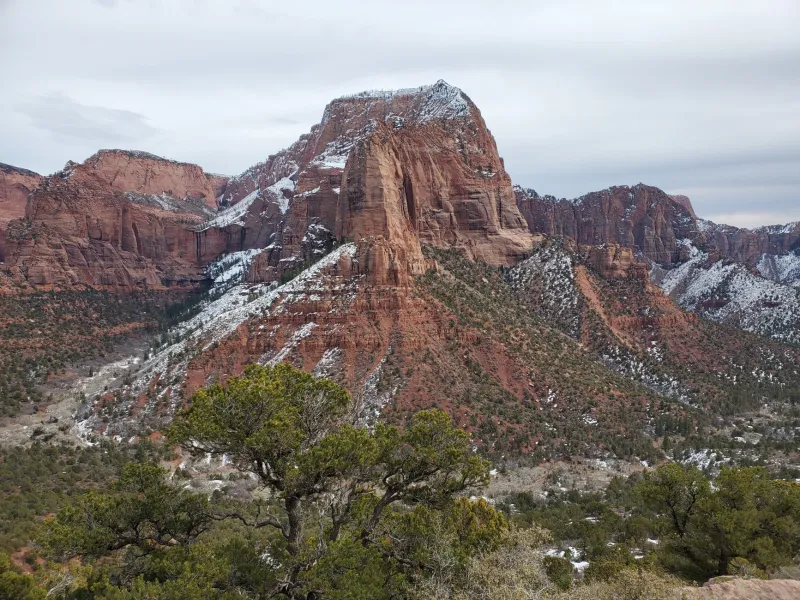
Higher terrain is a different story. The Aquarius Plateau and areas above 7,000 feet can accumulate significant snow from November through March. If your route involves any elevation gain into that upper country, you're in a different game entirely — think microspikes, layering systems, and early turnaround times.
The canyon bottoms, though? Often accessible. Often beautiful. And almost always empty.
The Honest Challenges
Daylight is the biggest logistical constraint. In December, you're working with around nine hours of usable light, and that window shrinks further once canyon walls start throwing shade. A hike that takes a comfortable six hours in July might feel rushed in winter simply because you lose light faster and moving slowly through cold, wet terrain eats into your buffer.
Plan your distances conservatively. Experienced desert hikers often cut their daily mileage by 20 to 30 percent in winter, not because the terrain is harder (though sometimes it is), but because you need margin for slower pace, layering stops, and getting camp set up before dark.
Water sources behave differently too. Springs that run reliably in spring and fall can freeze over or slow to a trickle. Potholes may be iced over in the morning and slushy by afternoon. Carry more water capacity than you think you need, and know where reliable sources are along your route before you leave.
River crossings — already a constant feature of Escalante hiking — get more interesting in winter. Cold-water crossings are uncomfortable at best and dangerous if you're not managing your body temperature carefully afterward. Wet feet in freezing air require immediate attention. Pack dry socks and camp shoes, and treat every crossing as a gear management event, not just a navigation one.
The Rewards That Don't Show Up in Summer
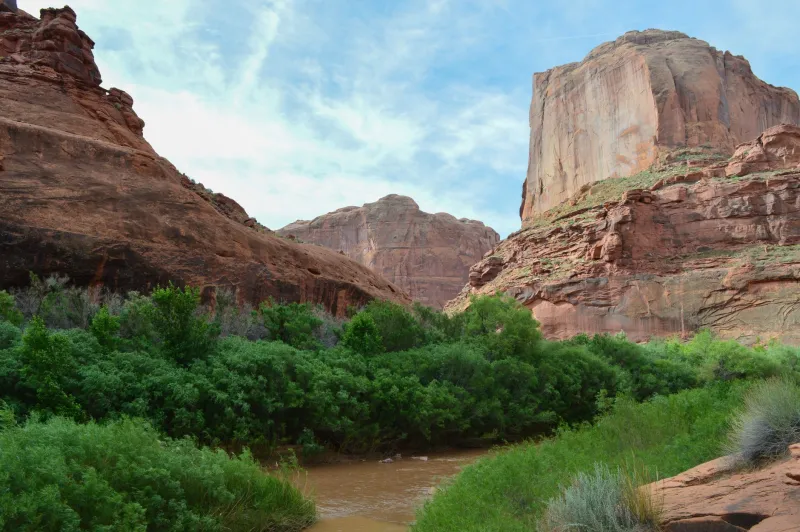
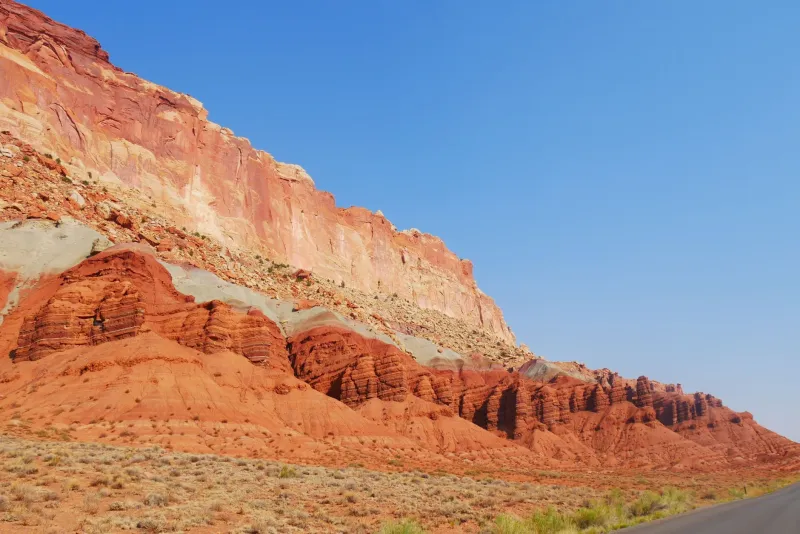
Here's the thing about winter light in canyon country: it's extraordinary. The sun stays low all day, which means you're hiking in golden-hour-quality light for hours rather than minutes. The red and orange tones of Navajo Sandstone and Entrada Sandstone absolutely pop against a deep blue winter sky or a dusting of snow. If you're even remotely interested in photography, winter gives you conditions that summer simply can't replicate.
The wildlife shifts too. Mule deer move down from higher elevations and become a regular trail companion. Raptors — hawks, eagles, the occasional peregrine — are more visible once the summer crowds stop disturbing their hunting grounds. You might spot coyote tracks in fresh mud, or watch a great blue heron working a calm stretch of the Escalante River in complete silence.
And then there's the silence itself. In a place like Peek-a-Boo and Spooky gulch, or along the lower Escalante canyon, you may genuinely go an entire day without seeing another person. That's not hyperbole — it's just what winter here looks like.
Gear Adjustments for the Cold Season
Your summer kit needs some additions, but you don't need to rebuild your pack from scratch.
Layering is everything. A moisture-wicking base layer, a midlayer with real insulation (down or synthetic, depending on how wet your conditions will be), and a wind/rain shell covers most situations. The key is having enough layers to stay warm when you stop moving, because rest stops in cold air cool you down fast.
Microspikes are worth carrying from November through March, even if you don't expect to need them. Icy sandstone is genuinely treacherous, and even a light frost on slickrock can make normally easy terrain feel like a skating rink.
Your sleep system needs to be rated lower than you think. Desert nights in winter can drop into the teens at elevation. A bag rated to 15°F gives you comfortable margin. Don't cheap out here — being cold all night is miserable and affects your decision-making the next day.
Bring hand warmers. Not as a primary heat source, but as a morale tool. Getting into camp with cold hands, digging through your pack for your stove, and fumbling with tent stakes in the dark is much less awful with a couple of warmers in your gloves.
Making the Most of Short Days
Start early. This sounds obvious, but it's more important in winter than any other season. Being on trail by first light — even before the sun clears the canyon walls — gives you every usable minute. Eat a hot breakfast at camp rather than cooking after you arrive somewhere, and keep lunch simple so you don't burn daylight standing around.
Plan your campsites with afternoon sun in mind. Sites that catch low western sun will stay warmer longer and dry out wet gear before dark. Shaded canyon bottoms that feel cool and pleasant in summer can feel relentlessly cold in December.
Is Winter Escalante Right for You?
If you've done Escalante in the busy season and want to experience it on a completely different register — quieter, more demanding, more rewarding — the answer is probably yes. Go in prepared, go with a partner, and leave more time than you think you'll need. The canyon country in winter isn't trying to make things easy for you. But it'll give you something you won't stop thinking about.