Desert Oasis: Where to Find Grand Staircase-Escalante's Most Rewarding Swimming Holes
Desert Oasis: Where to Find Grand Staircase-Escalante's Most Rewarding Swimming Holes
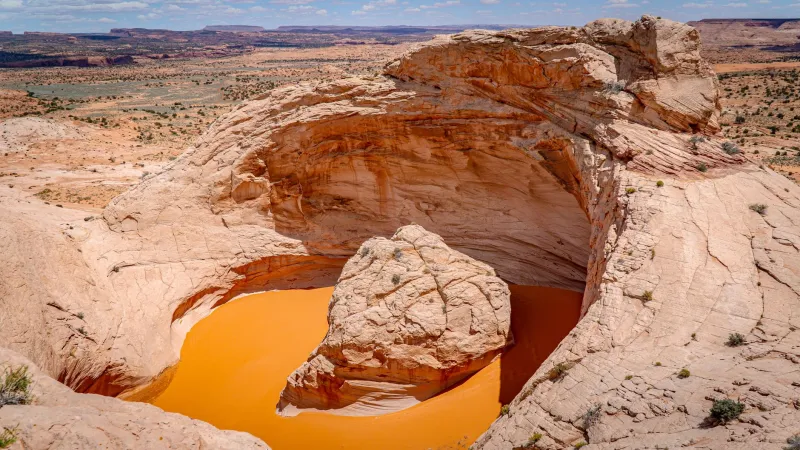
Most people picture Grand Staircase-Escalante as a place of relentless heat, cracked earth, and trails that demand every ounce of your energy. And honestly, that reputation is well-earned. But here's the thing — tucked inside those same rugged canyons is a completely different world. One with cool, clear water pooling in sculpted sandstone bowls, creek currents threading through narrow slot corridors, and natural swimming holes that feel almost impossibly lush against the surrounding desert. If you've only ever hiked through this monument without stopping to take a dip, you've been missing one of its best-kept secrets.
These aren't lifeguard-staffed swimming areas with parking lots and concession stands. They're wild, remote, and entirely worth the effort to reach. Here's how to find them, when to go, and how to stay safe while you're at it.
The Escalante River Corridor: Your Best Starting Point
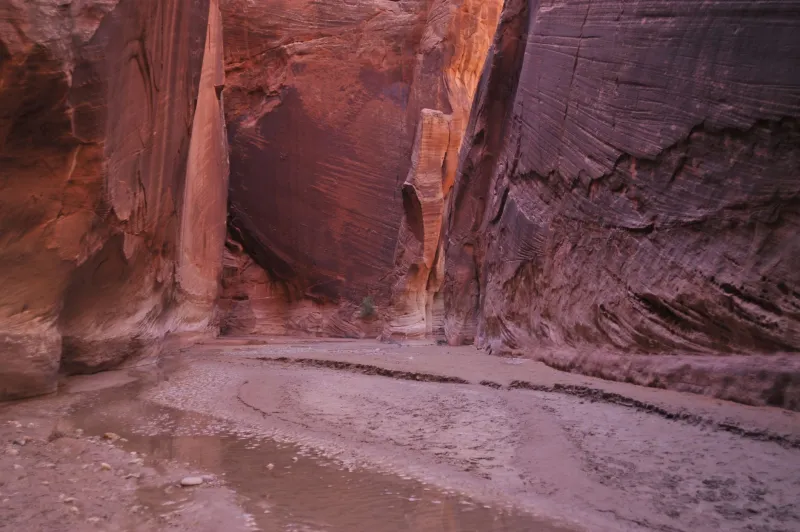
The Escalante River and its many tributaries form the backbone of the monument's water network, and anywhere the river carves through canyon walls, you're likely to find swimmable stretches. The stretch accessible from the Escalante River Trailhead off Highway 12 is one of the most popular entry points, and for good reason. Within the first few miles, the river widens into knee-to-chest-deep pools flanked by cottonwood trees and red rock walls. The water is cold even in summer — a genuine shock to the system after a long morning hike — and the sandy banks make for a surprisingly comfortable rest stop.
Deeper into the corridor, toward Phipps Wash and Death Hollow, the pools get more dramatic and the crowds thin out considerably. Death Hollow in particular has developed a cult following among serious canyon hikers for its emerald-green swimming holes tucked between polished stone walls. Getting there requires either a multi-day backpacking commitment or a long day hike from Boulder — but the payoff is the kind of swimming experience you'll talk about for years.
Calf Creek Falls: The One Everyone Knows (and Still Loves)
If you want a swimming hole that's genuinely accessible without a serious expedition, Lower Calf Creek Falls is the monument's most celebrated option. The 5.5-mile round-trip trail from the Calf Creek Recreation Area follows the creek through a narrow canyon before delivering you to a 126-foot waterfall that feeds a wide, crystal-clear pool at its base. The water is cold and clean, the setting is dramatic, and the hike itself is one of the best in the region.
Yes, this one gets busy — especially on summer weekends. Go early, go on a weekday, or accept that you'll be sharing the pool with other visitors. Either way, it's worth it. Upper Calf Creek Falls is a shorter hike (2 miles round-trip) with a smaller, more intimate pool, and it sees far less foot traffic. Worth knowing about if you want a quieter experience.
Slot Canyon Potholes: The Surprise Factor
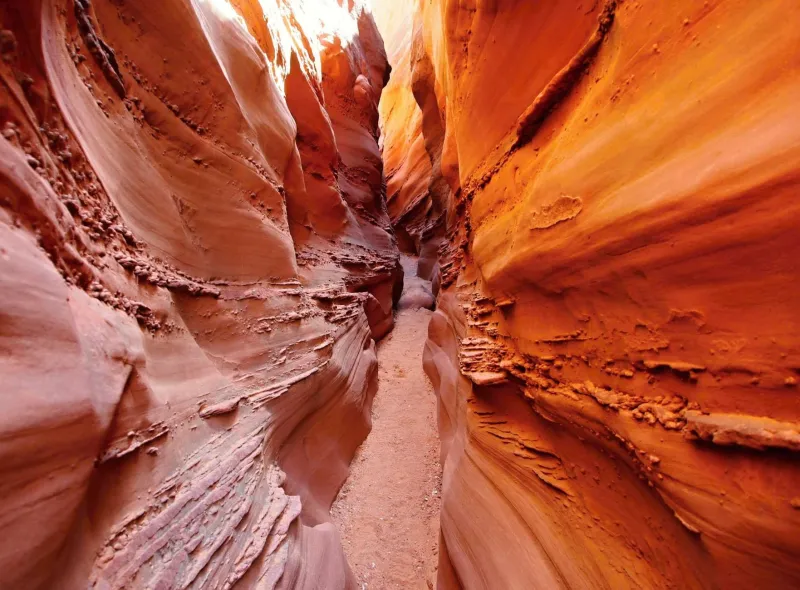
Some of the most memorable swimming in the monument happens not in rivers or at the base of waterfalls, but in the sculpted potholes that form inside narrow slot canyons. Zebra Slot Canyon and Spooky Gulch, both accessible via Hole-in-the-Rock Road, are prime examples. After rainfall or during spring snowmelt, these canyons fill with standing pools — some shallow, some surprisingly deep — that you wade or swim through as part of the canyon traverse itself.
This isn't swimming in the traditional sense. You're more likely to be chest-deep in a pothole trying to squeeze through a narrow passage than doing laps in open water. But there's something uniquely thrilling about it, and the cool water is a welcome companion when the canyon walls are radiating heat. Just know that slot canyon swimming is highly dependent on recent weather conditions. Too dry and the potholes are empty or muddy; too wet and you've got bigger problems (more on that in a moment).
Best Seasons for Water in the Monument
Timing matters enormously when you're planning a swimming trip to Grand Staircase-Escalante. The sweet spot is generally late spring through early summer — roughly late May through June — when snowmelt from the higher elevations keeps creek and river levels healthy without the flash flood risk that peaks during monsoon season. The weather is also more forgiving during these months, with daytime temperatures in the 70s and 80s rather than the triple digits of July and August.
Fall, particularly September and October, offers another solid window. Monsoon season typically winds down by mid-September, water levels stabilize, and the crowds that peak in summer start to thin. The cottonwoods along the Escalante River turn gold in October, making it arguably the most scenic time to be in the canyon anyway.
Mid-summer swimming is possible but requires more caution. Water levels can drop significantly by August, and the monsoon pattern means afternoon thunderstorms are a near-daily occurrence — which brings us to the most important part of this whole guide.
Flash Flood Safety: Non-Negotiable Before You Get In
Canyon country swimming comes with a risk that no amount of enthusiasm should make you overlook: flash floods. These events can occur with almost no warning at your location, triggered by storms miles away that you can't see or hear. A clear blue sky above your slot canyon swimming hole means nothing if a thunderstorm is dumping rain on the plateau upstream.
Before any canyon hike where you plan to swim — especially in slot canyons — check the weather forecast for the entire watershed, not just your immediate area. The National Weather Service's forecast for the Escalante region is your first stop. Look for flash flood watches or warnings, and treat them seriously. If there's any meaningful chance of afternoon storms, plan to be out of narrow canyon sections well before midday.
Learn to read the signs: a distant rumble, a sudden earthy smell, water that begins to run murky or rise unexpectedly. If you notice any of these, move to high ground immediately. Don't wait to see what happens. Canyon walls can go from a trickle to a wall of water in minutes, and there's no outrunning it in a narrow slot.
Beyond flood awareness, a few other basics apply: wear water shoes or sandals with grip, since wet sandstone is genuinely slippery; don't jump into any pool without checking depth first; and always tell someone your planned route and expected return time before heading out.
The Bigger Picture
What makes these swimming holes so special isn't just the water itself — it's the contrast. You've spent hours in the sun, pushing through sandy washes and scrambling over slickrock, and then suddenly you're standing at the edge of a cool, jade-green pool with canyon walls rising 200 feet on either side. It's the kind of moment that reframes the whole landscape. The desert isn't just harsh and unforgiving. It's also, in the right places and the right seasons, genuinely generous.
That's the reward Grand Staircase-Escalante offers to people willing to do the work to find it. Bring your water shoes, check the forecast, and go find your pool.