Golden Hours and Red Rock: How to Plan a Photography Trip to Grand Staircase-Escalante by Season
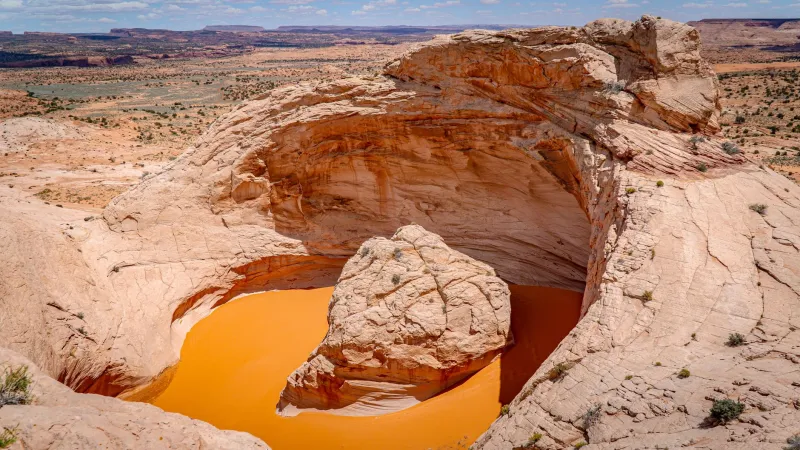
There's a reason photographers keep coming back to Grand Staircase-Escalante. It's not just the sheer scale of the place — though 1.9 million acres of canyon country will definitely humble you. It's the way the light behaves here. The sandstone walls glow amber at dusk. Slot canyons turn into natural studios when a beam of midday sun cuts through the narrows. And after a summer monsoon, the whole desert smells like rain and possibility.
But showing up without a plan? That's how you end up with a memory card full of flat, overexposed midday shots and a sore back from hiking to the wrong place at the wrong time. If you're serious about capturing this landscape — even as a casual enthusiast — timing is everything.
Here's how the seasons break down, and how to work each one to your advantage.
Spring: Wildflowers, Unpredictable Weather, and Soft Morning Light
Late April through early June is arguably the most dynamic time to photograph Grand Staircase-Escalante. The desert floor wakes up fast after winter, and in a good precipitation year, the wildflower bloom is genuinely jaw-dropping. Indian paintbrush, desert phlox, and cliffrose splash color across terrain that looks impossibly harsh the rest of the year.
For flower photography, the area around Cottonwood Canyon Road and the benches near Grosvenor Arch tend to produce reliable blooms. Get there early — by 7 or 8 a.m. the light is warm and directional, perfect for shooting flowers with the canyon walls as a backdrop.
The catch with spring is the weather. Afternoon thunderstorms roll in fast, and wind can be brutal in March and early April. That said, storm light is some of the most dramatic you'll ever shoot. If you see a cell moving through the distance while the sun is still hitting the foreground, pull over and set up. Those are the shots people hang on walls.
Practical tip: Keep an eye on the National Weather Service forecast for Kanab and Escalante town. Clearing storms after rain often produce incredible rainbow and cloud conditions in the late afternoon.
Summer: The Slot Canyon Season — If You Can Handle the Heat
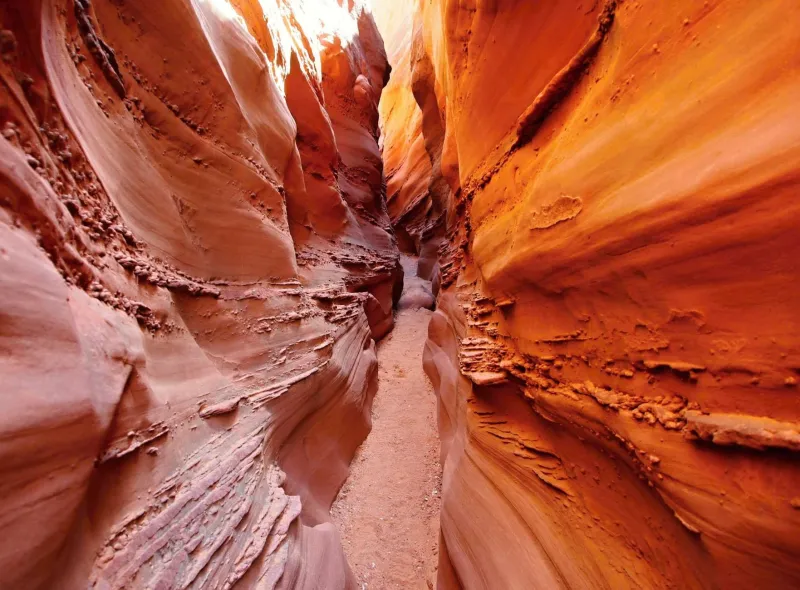
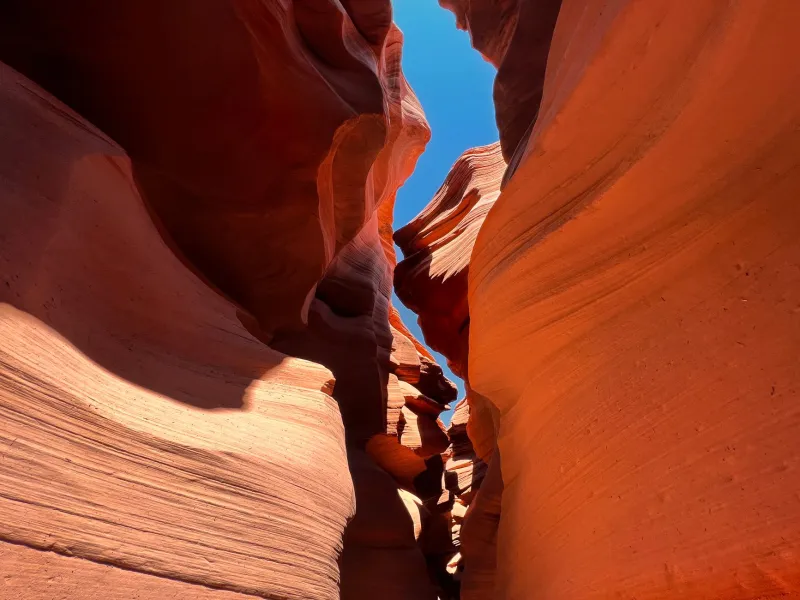
June through August brings brutal midday temperatures, but it also brings the best light for slot canyon photography. Places like Peek-a-Boo and Spooky Gulch near the Dry Fork of Coyote Gulch are at their most photogenic when the sun is directly overhead — roughly 10 a.m. to 2 p.m. — and light beams filter down through the narrow openings above.
This is the one time of year when avoiding the golden hour actually works in your favor. Slot canyon interiors don't see direct light at dawn or dusk. You need that high sun angle to get the glowing orange walls and the dramatic light shafts that make these images so striking.
For gear, a wide-angle lens (something in the 16–24mm range) is essential in tight narrows. A tripod helps in low-light sections, but honestly, modern mirrorless cameras handle the exposure challenges well even handheld. Shoot in RAW format so you have flexibility with the warm tones in post-processing.
One serious caveat: summer is flash flood season. Never enter a slot canyon if there's any rain in the forecast — not just locally, but anywhere upstream. Check conditions at the Escalante Interagency Visitor Center before you head out, and don't ignore the rangers' advice.
Fall: The Golden Window Every Landscape Photographer Talks About
If you only make one photography trip to Grand Staircase-Escalante, go in October. The cottonwood trees along the Escalante River corridor and around Calf Creek turn a brilliant, saturated yellow that contrasts almost absurdly well with the red canyon walls. It looks like a painting. It photographs like one too.
The light in fall has a quality that's hard to describe — it's lower on the horizon, warmer in color, and longer-lasting than summer golden hour. You get more workable shooting time at sunrise and sunset, which means less scrambling to get into position before the magic fades.
Calf Creek Recreation Area is a classic fall destination for photographers. The creek itself, the cottonwood groves along the trail to Lower Calf Creek Falls, and the canyon walls framing everything above — it's a genuinely complete composition that rewards patience. Arrive at sunrise when the light hits the upper canyon walls while the creek bottom is still in cool shadow. That contrast is what makes the images sing.
Another strong fall option: the road to Hole-in-the-Rock. Pull off at any of the canyon overlooks around sunset and watch the light sweep across the staircase formations. Bring a telephoto lens to compress the layers of rock and color.
Winter: Solitude, Snow, and Surreal Color Contrasts
Winter is the underrated season for Grand Staircase-Escalante photography, mostly because fewer people know about it. The crowds thin dramatically after Thanksgiving, and on the right day — fresh snow on red rock, blue sky above, absolute silence — the place looks like another planet.
Snow doesn't stick around long at lower elevations, so you have to be ready to move fast when a storm passes through. Check road conditions carefully; many of the monument's dirt roads become impassable when wet. But the paved highway between Escalante and Boulder (Highway 12) gives you access to some spectacular overlooks even when back roads are closed.
The Head of the Rocks overlook on Highway 12 is one of the best winter vantage points in the entire region. At sunrise on a clear post-storm morning, the light turns the snow-dusted canyon country into something almost impossibly beautiful. Pack warm layers, a solid tripod, and a remote shutter release — cold fingers and long exposures don't mix well.
Gear Essentials for Canyon Country Photography
You don't need to invest in a massive kit to come home with great images, but a few items make a real difference:
- Wide-angle lens (16–35mm): Essential for capturing the scale of canyon walls and open desert vistas.
- Polarizing filter: Cuts glare on water and deepens blue skies dramatically.
- Sturdy tripod: Necessary for low-light slot canyon work and long-exposure water shots at Calf Creek Falls.
- Extra batteries: Cold temperatures drain batteries fast in winter. Always carry a spare or two.
- Dust protection: The desert is dusty. A simple rain cover doubles as a dust cover for your bag.
The One Thing That Matters More Than Gear
Here's the honest truth: the photographers who come home with the best images from Grand Staircase-Escalante aren't necessarily the ones with the most expensive equipment. They're the ones who did their homework, showed up at the right location before the light peaked, and stayed patient when conditions weren't quite right yet.
Use apps like PhotoPills or The Photographer's Ephemeris to scout sun angles before you arrive. Study other photographers' work from the locations you want to visit. And build extra time into your itinerary — canyon country rewards flexibility more than almost any other landscape on earth.
The light will come. You just have to be there when it does.